Understanding Fabric Breaking Strength Testing
The fabric breaking strength testing machine is indispensable in today’s material science and textile industries. These machines are designed to measure the tensile strength and elongation properties of a wide array of materials such as fabrics, leather, and yarns. With ever-evolving industry standards and a continual emphasis on product quality, understanding the operational principles of these machines is essential for manufacturers and quality control laboratories alike.
In various sectors, ensuring that materials meet specific tensile strength requirements is critical. The ability to accurately measure how a material will respond under stress helps in maintaining the highest quality in product development, ensuring durability and safety. When exploring options, fabric breaking strength testing machine provides comprehensive insights into material performance and quality assurance.
What is a Fabric Breaking Strength Testing Machine?
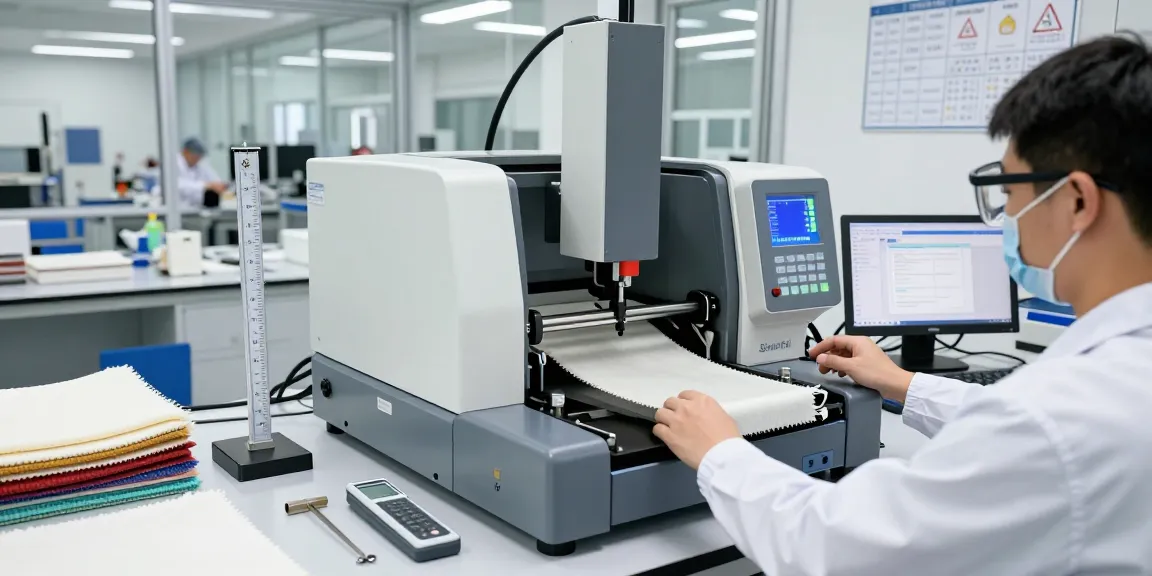
A fabric breaking strength testing machine is specifically engineered to ascertain the maximum load that a material can bear before breaking. This is achieved through a controlled tensile test, where the material is subjected to a pulling force until it reaches its breaking point. The machine records data such as the maximum force applied and the elongation before rupture. Using advanced sensors and software, these machines provide precise measurements which are critical for evaluating the performance of textiles across various applications.
Importance of Accurate Testing Standards
In industries ranging from fashion to automotive manufacturing, adhering to standardized testing protocols is crucial. Organizations like ASTM (American Society for Testing and Materials) and ISO (International Organization for Standardization) set forth testing standards such as ASTM D5034 and ISO 13934-1, which detail specifications for fabric tensile testing. Compliance with these standards ensures that products meet safety regulations and performance expectations, safeguarding both manufacturers and end-users.
Common Applications Across Industries
- Textile Industry: Used to test the strength of clothing fabrics and upholstery materials.
- Leather Goods: Assists manufacturers in determining the durability of leather products.
- Footwear Manufacturing: Evaluates materials used in shoes to ensure longevity and safety during wear.
- Aerospace and Automotive: Applied in testing materials that must withstand high stress and extreme conditions.
Components of the SmartPull Fabric Breaking Strength Testing Machine
Key Features and Specifications
The SmartPull Fabric Breaking Strength Tester is designed with several key components that ensure accurate and reliable testing. Noteworthy features include:
- Tensile Capacity: Capable of testing up to 250 kg, with deformation ratings at 500 kg.
- Accuracy: Test results are accurate within ±1%, thanks to advanced load cells and displacement transducers.
- Operational Speed: Adjustable traverse speeds from 1 mm/min to 500 mm/min, allowing for versatility in testing scenarios.
Operational Mechanisms of the Testing Equipment
This testing machine employs an AC servo motor in conjunction with ball screw mechanisms to ensure consistent and precise application of force. These technologies work together to minimize measurement errors and enhance the stability of the testing process. Moreover, the testing software interfaces are user-friendly, providing a seamless experience for operators to monitor and analyze results in real-time.
Safety Mechanisms in Textile Testing
Ensuring safety during testing processes is paramount. The SmartPull Fabric Breaking Strength Tester is equipped with multiple safety features, including:
- Excessive Torque Detection: Alerts operators when the torque exceeds set thresholds.
- Travel Limits: Prevents the machine from operating beyond its mechanical limits, protecting both the machine and its users.
- Overload Protection: Safety protocols automatically halt operations if excessive load is detected.
How to Conduct Effective Fabric Tests
Step-by-Step Testing Procedure
Conducting a tensile strength test involves several systematic steps:
- Preparation: Ensure that the fabric sample is properly prepared to specified dimensions.
- Calibration: Regularly calibrate the machine to maintain accuracy, following the manufacturer’s guidelines.
- Setup: Secure the fabric sample in the testing grips, ensuring it is clamped evenly.
- Testing: Initiate the test and monitor the machine as it applies tension until the sample breaks.
- Data Analysis: Record and analyze the data for elongation and breaking strength.
Calibrating Your Testing Machine for Accuracy
Calibration is vital for maintaining the precision of results in tensile testing. Regular checks should be performed, considering factors such as:
- Force Calibration: Adjusting the load settings to match known reference weights.
- Displacement Calibration: Ensuring that elongation readings correspond accurately to physical movements of the sample.
Common Mistakes to Avoid During Testing
To achieve reliable results, avoid these common pitfalls:
- Insufficient Sample Preparation: Ensure all samples meet the required specifications.
- Overloading the Machine: Follow the recommended load limits to prevent damage to the equipment.
- Poor Calibration Practices: Regularly verify calibration settings to maintain accuracy.
Interpreting and Utilizing Test Results
Understanding the Stress-Strain Curve
The stress-strain curve is a graphical representation of a material's response to tensile testing, illustrating the relationship between stress (force per unit area) and strain (deformation). Understanding this graph is crucial as it shows:
- Elastic Limit: The point beyond which the material will not return to its original shape.
- Ultimate Strength: The maximum stress the material can withstand before breaking.
- Breaking Point: The stress level at which the material fails.
Data Analysis for Quality Control
These insights are vital for quality control processes, enabling manufacturers to distinguish between acceptable and unacceptable materials. Utilizing the data collected during tensile testing allows for:
- Improved Material Selection: Choosing fabrics that meet specified performance criteria.
- Feedback for Design: Informing design decisions based on strength and flexibility data.
- Defect Identification: Recognizing and rectifying weaknesses in materials before production.
Applying Results to Material Selection and Product Development
Test results serve not only to ensure compliance with standards but also guide product development. Insights gained from testing can lead to innovations in material composition, improving end-product durability and performance.
Future Trends in Fabric Testing Machines
Technological Advancements for 2026
As we look towards the future, fabric testing machines are set to become more advanced. Innovations such as automated testing processes and enhanced data analytics capabilities are on the horizon. These advancements will likely simplify the testing process while improving accuracy and efficiency.
Integrating AI and Machine Learning in Textile Testing
Artificial Intelligence (AI) and machine learning applications will also play a significant role in optimizing testing processes. These technologies can analyze vast quantities of test data to identify patterns, predict material performance, and enable smarter decision-making in material development.
Emerging Standards and Regulations in the Industry
With the U.S. and EU continually updating regulations around product safety and environmental impact, staying informed about emerging standards will be crucial for manufacturers. Adaptability and foresight in testing strategies will help companies sustain compliance and competitive advantage.