Understanding GRP Manufacturing: Key Concepts
Glass Reinforced Plastic (GRP) is an innovative composite material that has revolutionized various industries through its strength, versatility, and light weight. GRP manufacturers, especially those based in the UK, have adapted their offerings to meet the needs of diverse sectors including construction, automotive, marine, and telecommunications. This article delves into the nuances of GRP, its manufacturing processes, advantages over traditional materials, and the future trajectory of GRP applications. When exploring options, GRP Manufacturer resources provide comprehensive insights into this dynamic field.
What is GRP and its Main Applications?
GRP, or Glass Reinforced Plastic, is a composite material made from a polymer matrix reinforced with glass fibers. The result is a material that boasts exceptional strength-to-weight ratio, corrosion resistance, and durability. Common applications of GRP include:
- Construction: Used for cladding, flooring, and roofing systems.
- Transport: Utilized in automotive and aerospace components due to its lightweight nature.
- Marine: Ideal for boat hulls and marine structures.
- Electrical: Employed in enclosures and support structures due to its non-conductive properties.
- Water Treatment: Used in tanks and pipes for its corrosion resistance.
Innovative Processes in GRP Manufacturing
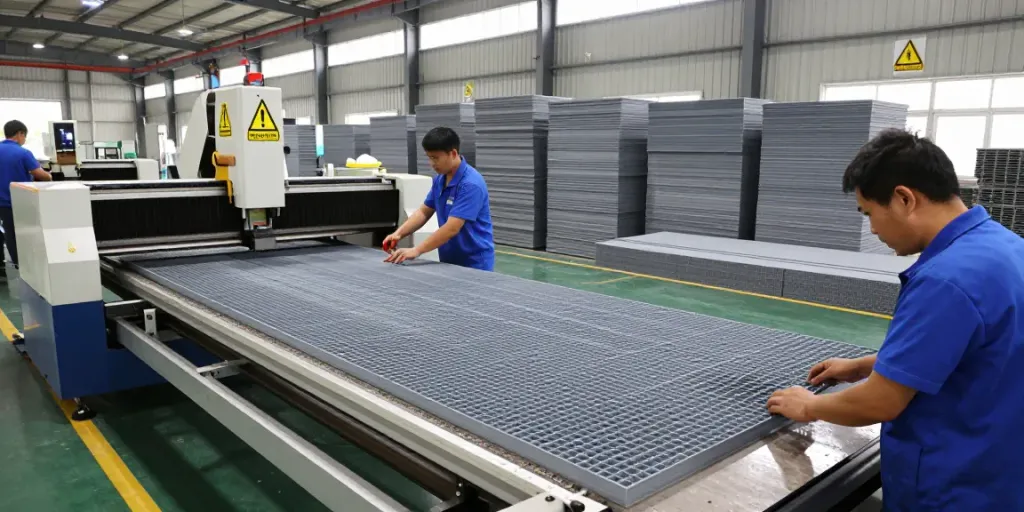
The manufacturing process of GRP involves several innovative techniques, ensuring high-quality outputs tailored to specific applications. Among these processes are:
- Hand Lay-Up: Ideal for complex and large structures, this method involves manually layering glass fibers and resin.
- RTM (Resin Transfer Molding): This method allows for more control over the finished product, offering a faster curing time and reduced waste.
- Filament Winding: Commonly used for cylindrical structures like pipes and tanks, suitable for high-strength applications.
Advantages of Choosing a GRP Manufacturer
When selecting materials for construction or manufacturing, understanding the benefits of GRP is essential. This material is not only robust but offers several unique advantages.
Lightweight and Durable: Benefits of GRP Products
One of the most significant advantages of GRP is its light weight—up to 70% lighter than traditional metals like steel. This property not only makes transportation and installation easier but also reduces structural loads, enhancing overall design flexibility. Additionally, the durability of GRP products makes them suitable for high-traffic areas where traditional materials might fail.
Corrosion Resistance and Longevity of GRP
GRP exhibits excellent resistance to corrosion and chemical attack, allowing for extended service life even in harsh environments. This characteristic is particularly beneficial in marine applications or chemical processing, where traditional materials would corrode quickly. With a lifespan that typically exceeds 50 years with minimal maintenance, GRP is a cost-effective solution for long-term projects.
Sustainability: How GRP Supports Green Building
The environmental impact of construction materials is becoming increasingly important. GRP contributes positively to sustainable construction practices by:
- Reducing the need for frequent replacements due to its durability.
- Utilizing less energy during production compared to metals.
- Being fully recyclable at the end of its life cycle.
Quality Assurance in GRP Production
High-quality standards are crucial in GRP manufacturing. Customers must ensure that the products they choose meet rigorous safety and structural integrity standards.
Standards and Certifications: What to Look For
When assessing GRP manufacturers, look for compliance with industry standards such as:
- BS EN 13706: Governs the performance of GRP products.
- ISO 9001: Ensures a robust quality management system in place.
- BS 476: Part of the fire safety regulations that ensure materials meet necessary fire resistance ratings.
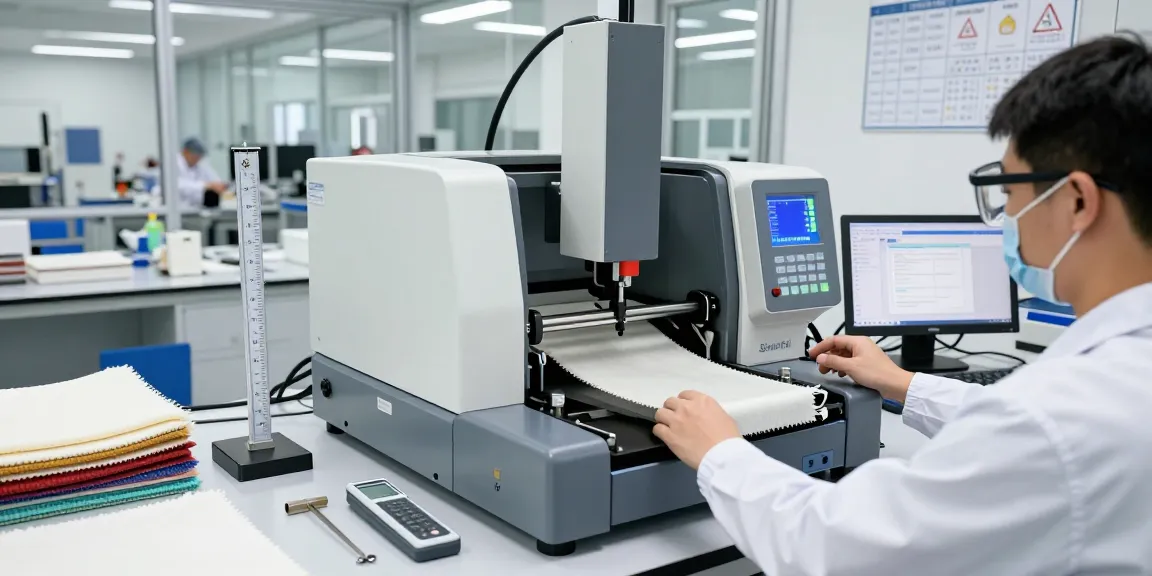
Testing Procedures for GRP Materials
Rigorous testing is essential for ensuring that GRP products meet their claimed specifications. This includes:
- Tensile strength tests to assess the material's resistance to being pulled apart.
- Flexural tests to evaluate the bending strength of GRP products.
- Fire resistance tests to ascertain compliance with safety regulations.
Maintaining Quality Across Different Applications
Different applications may require tailored solutions. Whether it's for heavy-duty flooring or lightweight panels, maintaining quality involves continual adjustments and improvements in the manufacturing process.
Common Challenges When Working with GRP
While GRP has numerous advantages, there are challenges and misconceptions associated with its use that need to be addressed.
Understanding Installation Difficulties
Installation of GRP materials may pose challenges, particularly for those unfamiliar with working with composites. Proper training and instructions are essential to ensure that GRP products are installed correctly to maximize their benefits.
Addressing Misconceptions About GRP Products
Some may perceive GRP as inferior to metals like steel or aluminium. However, when considering weight, corrosion resistance, and reduced long-term costs, GRP often emerges as the better choice.
Common Maintenance Questions and Solutions
GRP is often touted for its low maintenance requirements. However, it’s essential to understand that periodic inspections and simple cleaning can prolong the life of GRP products.
Future of GRP Manufacturing: Trends and Innovations
The future of GRP manufacturing looks promising, with several trends poised to enhance its applications and capabilities.
Emerging Technologies in GRP Production
Advancements in production technology, such as 3D printing of GRP components and improved resin formulations, are expanding the possibilities for custom and complex GRP applications.
Market Trends Shaping the Future of GRP
As industries commit to sustainable practices, the demand for eco-friendly materials like GRP will likely increase. The construction, automotive, and energy sectors are leading the way in adopting GRP solutions.
Expert Predictions for GRP Applications in 2026
Experts predict that by 2026, GRP will see increased use in infrastructure projects, particularly in high-performance applications requiring lightweight and durable materials. Additionally, innovations in recycling processes will enhance the sustainability profile of GRP, further boosting its market position.
What is the Cost Difference Between GRP and Steel?
While the initial costs of GRP products may be higher than steel, the long-term savings demonstrated through reduced maintenance and longer service life can make GRP a more economical choice over time.
How Does GRP Contribute to Fire Safety Regulations?
GRP's fire-resistant properties enable compliance with fire safety regulations, making it suitable for use in construction applications where safety is paramount.
Can GRP Products be Customized for Specific Projects?
Customization is a significant advantage of GRP; manufacturers can tailor products to meet unique specifications, ensuring they meet specific project requirements.
What Maintenance Practices Extend the Life of GRP?
Regular cleaning with mild detergents and periodic inspections for wear can significantly enhance the longevity of GRP products, ensuring they remain in optimal condition.
Are There Sustainability Certifications for GRP Materials?
Yes, GRP materials can attain sustainability certifications, aligning with frameworks such as BREEAM and LEED, which promote environmentally friendly construction materials.