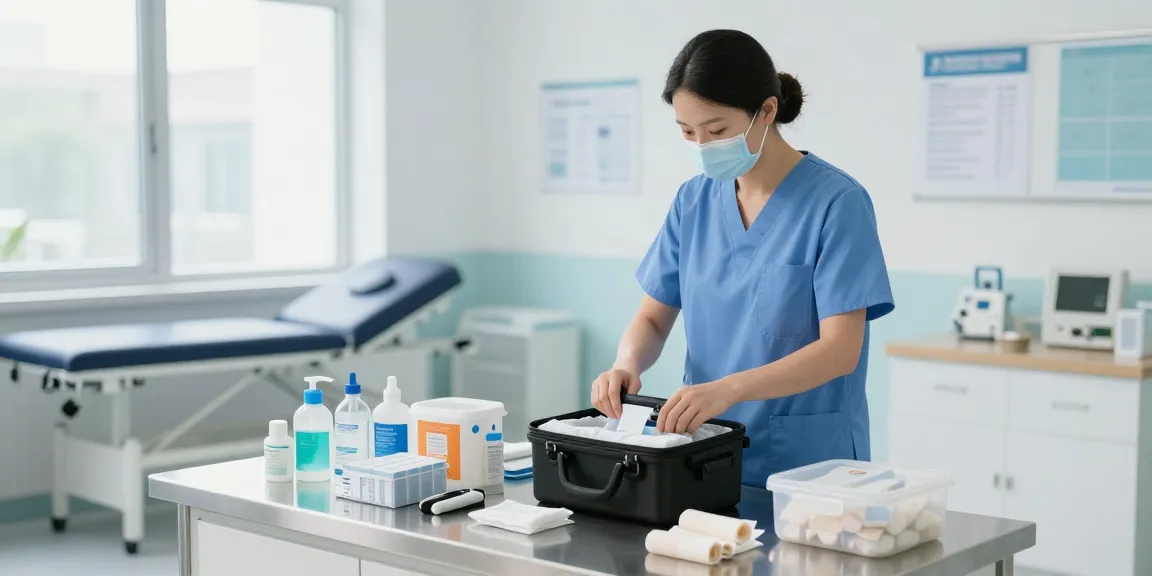
Understanding the Importance of Medical Kits
Medical kits play a critical role in both everyday health care and emergency situations. Whether for personal use, workplace safety, or strategic preparedness, these kits are designed to provide essential medical supplies that can help save lives. In an unpredictable world, having a reliable medical kit on hand can make all the difference in emergency preparedness. When exploring options, Medical kits offer comprehensive solutions that cater to various needs.
What are Medical Kits and Their Components?
Medical kits are collections of medical supplies and equipment designed to assist in the administration of healthcare. The contents of a medical kit can vary widely based on its intended use, ranging from basic first-aid items to more specialized medical tools. Common components typically include:
- Adhesive bandages
- Gauze pads and medical tape
- Antiseptic wipes and ointments
- Scissors and tweezers
- Instant cold packs
- Elastic bandages
- Medications (like pain relievers and antihistamines)
- CPR face shield or mask
The choice of components not only depends on the type of medical kit but also factors in the users’ knowledge and skills, the potential injuries anticipated, and the specific needs of the population served. Properly assessing these variables is essential for assembling an effective medical kit.
The Role of Medical Kits in Emergency Situations
In emergencies, time is of the essence. Medical kits serve as a crucial resource for first responders, healthcare professionals, and individuals. In situations such as accidents, natural disasters, or medical crises, the immediate availability of relevant medical supplies can stabilize a patient’s condition while awaiting further medical care. For instance, having a well-stocked medical kit can allow first responders to control bleeding, manage shock, or perform basic life support steps, thereby increasing the chance of survival.
Common Types of Medical Kits for Different Settings
Different settings require varying types of medical kits. Here are some common types:
- Home Medical Kits: Basic supplies for treating minor injuries and illnesses.
- Vehicle Kits: Enhanced kits suitable for travel or road emergencies, often designed to handle injuries such as cuts or sprains.
- Outdoor Kits: Designed for hikers, campers, and adventurers, including items tailored for wilderness medicine.
- Workplace Kits: Customized for specific job hazards, such as construction sites or healthcare settings, often compliant with workplace safety regulations.
- Sports Kits: Tailored for athletic events, including items for managing injuries such as sprains and fractures.
Setting Up Your Medical Kit for Optimal Use
To ensure that your medical kit is fully functional and ready for emergencies, it is crucial to set it up thoughtfully. This involves carefully selecting the right supplies, organizing them efficiently, and customizing the kit based on individual needs.
Essential Supplies to Include in Your Medical Kit
When assembling a medical kit, consider including the following essential supplies:
- Bandages of various sizes
- Antiseptic solutions and wipes
- Thermometer
- First-aid manual
- Disposable gloves
- Rescue blanket
- Medications for allergies, pain relief, and common ailments
In addition to the basics, specialized kits may also include items like inhalers, epinephrine auto-injectors, or heart defibrillators, depending on the anticipated medical needs of the user.
How to Organize Medical Kits Efficiently
Effective organization of your medical kit is key to ensuring that supplies are easily accessible during emergencies. Here are some tips:
- Use labeled sections or bags for different types of supplies (e.g., wound care, medications).
- Regularly inspect and restock supplies, ensuring everything is within the expiration date.
- Place frequently used items at the top or in easily accessible pockets.
- Keep your kit in a designated, known location, and ensure all users know where it is stored.
Customizing Medical Kits Based on Individual Needs
Customization is a vital aspect of creating an effective medical kit. Individual needs may vary based on age, health conditions, and lifestyle. For example:
- Parents should include child-specific items such as pediatric medication dosages.
- Individuals with chronic conditions may need to add specific medications or equipment like inhalers or spare diabetic supplies.
- Outdoor enthusiasts might consider including sunburn relief and insect bite treatments.
Real-World Applications: Medical Kits in Action
The effectiveness of medical kits can often be seen in real-world scenarios where they have significantly improved patient outcomes during emergencies.
Case Studies: Success Stories from Healthcare Providers
Healthcare providers have reported numerous success stories involving the use of medical kits. For instance, in one case study, a small clinic in a remote area utilized portable medical kits during a regional flooding event, allowing them to provide immediate care to displaced individuals suffering from injuries and illnesses.
Lessons Learned from Emergency Responses
Analysis of past emergency responses has highlighted several key lessons related to medical kit preparedness. One major takeaway is the importance of training staff to effectively use medical kits, which can directly influence patient outcomes during critical situations.
Improving Patient Outcomes with Proper Medical Kits
Research indicates a clear correlation between the availability of well-stocked and well-organized medical kits and improved patient outcomes. Medical professionals observe that the speed and efficiency of care delivery are markedly enhanced when responders have immediate access to the appropriate tools and supplies.
Regulatory Standards and Best Practices
Compliance with health regulations regarding the contents and maintenance of medical kits is essential for ensuring safety and efficacy. Understanding these standards helps both individuals and organizations maintain high-quality care.
Compliance with Health Regulations for Medical Kits
Regulatory bodies often have specific guidelines for medical kits, especially in professional settings. These guidelines can dictate the necessary contents, labeling, and maintenance requirements to adhere to safety protocols. Organizations should regularly review these regulations to ensure compliance.
Best Practices for Medical Kit Maintenance
To keep a medical kit effective, it’s crucial to implement regular maintenance routines:
- Conduct periodic audits of supplies and replenish as needed.
- Ensure all items are in usable condition and within their expiration dates.
- Replace any items that have been used or damaged immediately after use.
Training Staff on Effective Use of Medical Kits
Workplace policies often require that employees are trained on the proper use of medical kits. Training should include:
- Identifying supplies and their uses
- Understanding the basic first-aid procedures
- Practicing emergency response scenarios
Such training not only increases confidence among the staff but also enhances safety for everyone involved.
Future Trends in Medical Kit Development
As we move towards 2026, the development of medical kits is expected to continue evolving with advancements in technology and changes in healthcare needs.
Innovative Technologies Enhancing Medical Kits
Current trends indicate a shift toward integrating technology into medical kits. Innovations include:
- Smart medical kits equipped with digital monitoring tools
- Telemedicine-enabled devices that allow remote consultations
- Wearable health tech that can interface with medical kits to track health metrics
Predictions for Medical Kit Evolution by 2026
Experts forecast that by 2026, medical kits will be more personalized, utilizing AI to tailor contents to user specifics, thereby enhancing their effectiveness in emergencies.
How Telemedicine is Influencing Medical Kit Design
The rise of telemedicine is significantly impacting the design and function of medical kits. Kits now often include devices compatible with telehealth platforms, enabling users to consult healthcare professionals in real-time. This trend will likely grow as telehealth becomes an integral component of routine medical care.
What should be included in a basic medical kit?
A basic medical kit should include adhesive bandages, antiseptic wipes, gauze pads, scissors, and a first-aid manual, among other essentials, to address common injuries and illnesses.
How often should medical kits be restocked?
Medical kits should be restocked immediately after use and inspected at least once every six months to ensure all supplies are current and in good condition.
Are there specific regulations for medical kits in different regions?
Yes, regulations can vary by location, and it is important to consult local health authorities to ensure compliance with applicable laws pertaining to medical kit contents and storage.
How to choose the right medical kit for your needs?
Choosing the right medical kit involves assessing your specific needs, including the level of training of intended users, the environments in which the kit will be used, and common medical issues that may arise.
What are the benefits of using customized medical kits?
Customized medical kits cater to specific health needs and situations, ensuring that the necessary supplies are available when they’re most needed, which ultimately enhances safety and preparedness.