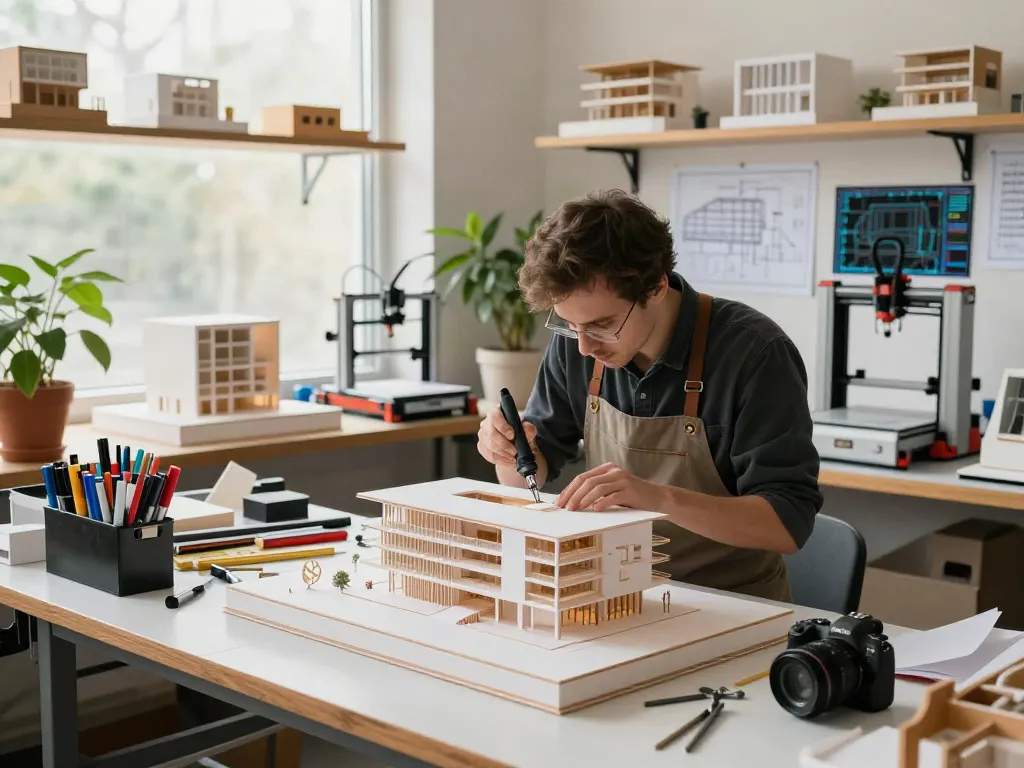
Understanding the Role of the Architectural Model Maker in Germany
In the realm of architecture, the role of an architectural model maker is crucial. These skilled professionals turn abstract concepts into tangible, scale models that bring designs to life. With the architectural landscape continuously evolving, the demand for high-quality representations of projects has become paramount. The growing complexity of architectural designs necessitates precision and expertise in model making, making architectural model makers in Germany invaluable partners for architects, developers, and designers alike. When exploring options, architectural model maker Germany provides comprehensive insights into the essential role these artists play in the architectural process.
What is an Architectural Model Maker?
An architectural model maker is a specialized craftsman who constructs physical models of buildings or environments based on the designs created by architects and designers. These models serve various purposes, including presentations, marketing materials, and project approvals. Architectural model makers use a variety of materials and techniques to accurately represent the visual and spatial qualities of a project, allowing stakeholders to visualize the end product before construction begins.
The Importance of Model Making in Architecture
Model making is an integral part of the architectural design process. It provides a 3D perspective that drawings cannot convey, helping architects and clients make informed decisions. Models can highlight potential design flaws and practical issues, allowing for adjustments early in the design phase. Additionally, they serve as effective communication tools, bridging the gap between technical specifications and the creative vision of a project.
Key Skills Required for Architectural Model Makers
To excel in this field, architectural model makers must possess a diverse skill set. Key skills include:
- Attention to Detail: Precision is paramount; even slight inaccuracies can lead to significant misunderstandings.
- Technical Proficiency: Familiarity with CAD software, 3D printing, and traditional model-making techniques is essential.
- Creativity: A good model maker must also be an artist, capable of envisioning how to bring a design to life effectively.
- Problem-Solving Skills: Each project presents unique challenges that require innovative solutions.
- Communication Skills: Collaboration with architects and designers is crucial for understanding project goals and requirements.
Types of Architectural Models Created by Model Makers
Presentation Models and Their Uses
Presentation models are a vital element in the architectural process. They are often used in pitches to clients and investors, showcasing the overall look and feel of a project. These models typically demonstrate the project's design, materials, and scale, making them crucial for securing approvals and financing.
Competition and Demonstration Models
In the world of architecture, competition models are created for specific contests or proposals, highlighting innovative design and function. These models often require a quick turnaround and must convey the concept powerfully and succinctly. Similarly, demonstration models are used to illustrate a design’s unique features and benefits to various stakeholders, often emphasizing aspects such as sustainability or community impact.
Functional and Interactive Models
Functional models serve not only as visual aids but also as operational representations of a building's features. These can include the integration of interactive elements, such as lights, movable parts, or even miniature electronic systems that mimic real-world operations. This hands-on experience allows clients to better understand how their designs will work in practice.
Tools and Technologies in Architectural Model Making
CAD Software and 3D Printing Applications
The integration of technology in architectural model making has revolutionized the industry. CAD software like SketchUp allows model makers to create precise digital models before moving to physical constructions. 3D printing further enhances this process, enabling rapid prototyping and the production of intricate designs that would be challenging to achieve through traditional methods.
Traditional Techniques vs. Modern Methods
While modern technologies have transformed model making, traditional techniques still hold significant value. Handcrafting models allows for a level of detail and artistry that machines may not replicate. Combining these two approaches—using both modern tools and artisanal skills—can produce models that are both technically accurate and aesthetically pleasing.
Innovative Materials for Model Creation
Model making has seen a diversification of materials, ranging from traditional wood and plastics to innovative composites and recycled materials. The choice of materials impacts the model's appearance, durability, and overall presentation, allowing model makers to tailor their creations to the specific needs of each project. As sustainability becomes a greater concern, the use of eco-friendly materials is on the rise in the industry.
Quality Assurance and Customer Satisfaction in Model Making
Establishing a Good Reputation in the Industry
In the competitive world of architectural model making, establishing a good reputation is critical. This is achieved through consistent delivery of high-quality models that meet or exceed client expectations. A strong portfolio, coupled with positive testimonials from satisfied clients, enhances credibility and attracts new business.
Client Collaboration and Feedback
Effective communication and collaboration with clients are essential. Model makers should engage clients throughout the design process, encouraging feedback and suggestions. This iterative approach allows for adjustments to be made before the final model is completed, ensuring that the end product aligns with the client's vision.
Delivering High-Quality Results Consistently
To maintain client satisfaction, architectural model makers must implement strict quality control measures. This includes regular checks for accuracy, attention to detail, and the use of high-quality materials. By establishing a workflow that prioritizes quality, model makers can consistently produce models that not only look good but also perform well in their intended function.
Future Trends in Architectural Model Making by 2026
Emerging Technologies and Their Impact
As technology continues to evolve, architectural model makers must adapt to keep pace. Innovations such as virtual reality (VR) and augmented reality (AR) are beginning to play significant roles in model presentations, allowing clients to explore spaces in immersive environments. The use of drones for surveying and capturing spatial data also presents new opportunities for accurate model creation.
Increasing Demand for Sustainable Practices
The architectural industry is gradually shifting towards more sustainable practices, and model making is no exception. With a growing focus on eco-friendly buildings, model makers are increasingly sought after to use sustainable materials and practices in their work. This trend not only aligns with global efforts to combat climate change but also resonates with environmentally-conscious clients.
The Role of Digital Models in Visualization
Digital models are becoming an indispensable tool in architectural practice. They offer architects a chance to visualize projects in a virtual space, providing instant feedback and allowing for easier modifications. In addition, they can be used alongside physical models to enhance presentations, giving clients a complete understanding of their project's design intent.
What are the benefits of using a professional architectural model maker?
Hiring a professional architectural model maker can significantly enhance a project's success. These experts bring a wealth of experience, technical skills, and a keen eye for detail, resulting in high-quality models that effectively communicate design intent. Furthermore, they can help identify potential design issues early in the process, saving time and resources.
How can I choose the right architectural model maker in Germany?
Selecting the right architectural model maker involves considering factors such as experience, portfolio diversity, and client reviews. It's essential to discuss project requirements openly and assess their ability to collaborate throughout the project timeline. Requesting samples of previous work can also provide insights into their capabilities.
What materials are commonly used in architectural model making?
Common materials for architectural models include wood, plastics, cardboard, and metals. The choice of material often depends on the model's purpose and the level of detail required. For instance, wood may be preferred for its aesthetic qualities, while plastics might offer better durability and ease of manipulation.
Are there specialized models for competitions and exhibitions?
Yes, architectural model makers often create specialized models for competitions and exhibitions. These models tend to emphasize innovation and design excellence, showcasing the project in a manner that meets the specific requirements of the competition or event. Such models often prioritize visual appeal and demonstrate a thorough understanding of the project’s goals.
What skills should I develop to become an architectural model maker?
To pursue a career in architectural model making, aspiring model makers should focus on developing both technical and artistic skills. Familiarity with computer-aided design (CAD) software, 3D printing, and traditional model-making techniques are crucial. Additionally, honing artistic skills, understanding architectural principles, and developing strong problem-solving abilities will aid professional growth.