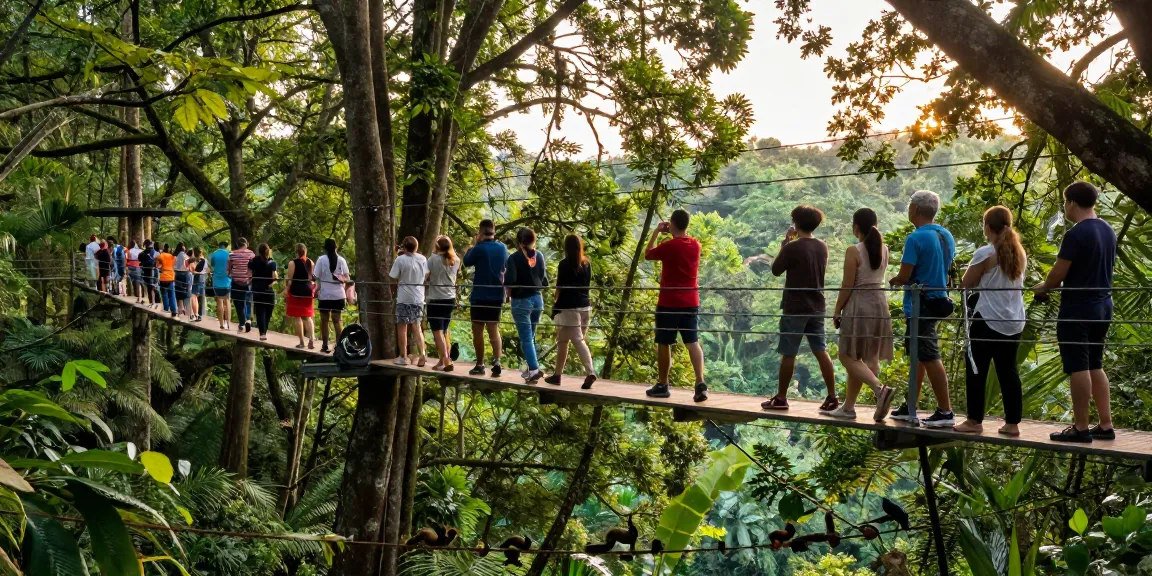
Introduction to the Treetop Walkway Experience
Imagine stepping into a world high above the forest floor, where the air is fresher, and the sounds of nature surround you. A Treetop Walkway offers an extraordinary vantage point to explore the beauty of the forest canopy. These elevated paths provide a unique way to observe wildlife, appreciate stunning views, and connect with nature. This article delves into the enchanting experience of treetop walkways, discussing their benefits, best locations, and what you can expect during your visit.
What is a Treetop Walkway?
A treetop walkway is an elevated pathway that allows visitors to stroll through the canopy of trees, often reaching heights of up to 70 feet or more. These walkways are designed to provide a safe and immersive experience, allowing individuals to walk amongst the treetops. Constructed using sturdy materials, treetop walkways are typically made from wood or metal, blending seamlessly with the natural surroundings while ensuring safety and accessibility.
Benefits of Visiting a Treetop Walkway
Visiting a treetop walkway offers numerous advantages:
- Unique Perspective: Experience the forest from a new angle, uncovering views and wildlife behaviours often missed at ground level.
- Physical Activity: Walking along these elevated pathways provides a healthy way to engage with nature and encourages physical exercise.
- Educational Opportunities: Many treetop walkways include informative signage about local flora and fauna, enriching your understanding of the ecosystem.
- Connection to Nature: Being surrounded by greenery and fresh air promotes mental well-being and relaxation.
Who Can Enjoy the Treetop Walkway?
Treetop walkways cater to a diverse range of visitors. From families with young children to avid nature enthusiasts, these elevated paths are designed for everyone. Many walkways implement safety features such as railings and sturdy construction, ensuring a secure experience for all ages. Additionally, some locations offer guided tours, enhancing the experience with expert insights into the local environment.
Planning Your Visit to a Treetop Walkway
Best Locations for Treetop Walkways
Across the globe, various stunning treetop walkways await eager explorers. Here are some notable locations:
- Kew Gardens, London: An iconic destination with an 18-metre high walkway, offering breathtaking views of the botanical gardens and surrounding area.
- Murch Canopy Walk, Ohio: A 500-foot-long walkway that rises 65 feet, providing a unique perspective of the Holden Arboretum’s lush environment.
- Wild Walk, New York: An adventure trail featuring a series of interconnected bridges and platforms that elevate visitors through the stunning Adirondack forest.
- Canopy Walkway, Australia: A fantastic experience amidst the ancient tingle trees, allowing visitors to appreciate unique flora and fauna.
What to Bring for Your Treetop Walk Experience
To make the most of your treetop adventure, consider bringing the following:
- Comfortable Footwear: Sturdy shoes are essential for walking on different terrain.
- Weather-Appropriate Clothing: Dress in layers and check the forecast to ensure you stay comfortable.
- Camera: Capture the stunning views and wildlife you encounter during your walk.
- Water and Snacks: Staying hydrated and energized is key, especially on longer walks.
Access and Facilities at Treetop Walkways
Many treetop walkways are equipped with facilities to enhance your visit. Look for amenities such as:
- Visitor Centres: These often provide information, maps, and restrooms.
- Accessibility Features: Many walkways are designed to accommodate visitors with mobility challenges, featuring ramps and handrails.
- Guided Tours: Some locations offer guided experiences led by knowledgeable staff.
What to Expect During Your Treetop Walk
Safety Measures on the Treetop Walkway
Your safety is paramount while enjoying the treetop experience. Expect measures such as:
- Sturdy Railings: Most walkways are equipped with high railings to prevent falls.
- Regular Inspections: Walkways are maintained and regularly checked for safety.
- Clear Signage: Information about the walkway’s rules and guidelines are usually posted prominently.
Engaging with Nature: Flora and Fauna
As you stroll along the treetop walkway, take time to observe the diverse flora and fauna around you. Look for:
- Bird Species: Many treetop walkways offer perfect vantage points for birdwatching.
- Unique Plants: Discover various tree species, ferns, and lichens that thrive in the canopy.
- Insects and Mammals: Keep an eye out for butterflies, bees, and other wildlife that call the treetops home.
Photography Tips for Your Treetop Adventure
Capturing the beauty of a treetop walkway can enhance your experience. Consider these photography tips:
- Use Natural Light: Aim to shoot during golden hour — early morning or late afternoon — for the best lighting.
- Focus on Composition: Use the rule of thirds to create engaging images that make the most of your surroundings.
- Bring a Zoom Lens: A zoom lens allows for exquisite detail shots of wildlife that may be further away.
- Consider a Tripod: If you have time, a tripod can help you take longer exposures for artistic shots.
The Environmental Impact of Treetop Walkways
How Treetop Walkways Promote Conservation
Treetop walkways play a pivotal role in conservation efforts. By allowing people to experience nature without disturbing delicate ecosystems, they help promote awareness and appreciation of forest environments. Furthermore, proceeds from walkway admissions often go towards conservation projects, ensuring the longevity of natural habitats.
Supporting Local Ecosystems through Tourism
Tourism related to treetop walkways can significantly benefit local economies. Visitors often support surrounding businesses, including hotels, restaurants, and shops. This economic boost encourages communities to invest in sustainable practices, further protecting their vital ecosystems.
Future of Treetop Walkways in Sustainable Tourism
As the trend for eco-friendly tourism continues to grow, treetop walkways are likely to become even more popular. Future projects may incorporate innovative designs that further minimise environmental impact while enhancing visitor experiences. This could include using sustainable materials and implementing technology for guided tours that educate visitors on conservation efforts.
Frequently Asked Questions about Treetop Walkways
Is the Treetop Walkway suitable for children?
Yes, most treetop walkways are designed with families in mind, featuring safety measures that make them suitable for children. However, it's important to check the specific age and height restrictions of each location before your visit.
What is the height of typical treetop walkways?
While heights can vary significantly, most treetop walkways are between 15 to 70 feet above the ground, allowing visitors to engage with the upper canopy of the forest.
Are there guided tours available for treetop walkways?
Many treetop walkways offer guided tours that can enrich your experience, providing insights into the ecology and history of the area.
How long does a typical visit to a Treetop Walkway take?
Duration can vary, but most visitors spend about 1 to 2 hours walking along the trail, depending on their level of interest in photography and wildlife observation.
What should I wear for a Treetop Walkway visit?
Wear comfortable clothing suitable for outdoor activities, and sturdy shoes are a must for navigating different terrains. Consider bringing a hat and sunglasses for sunny days.