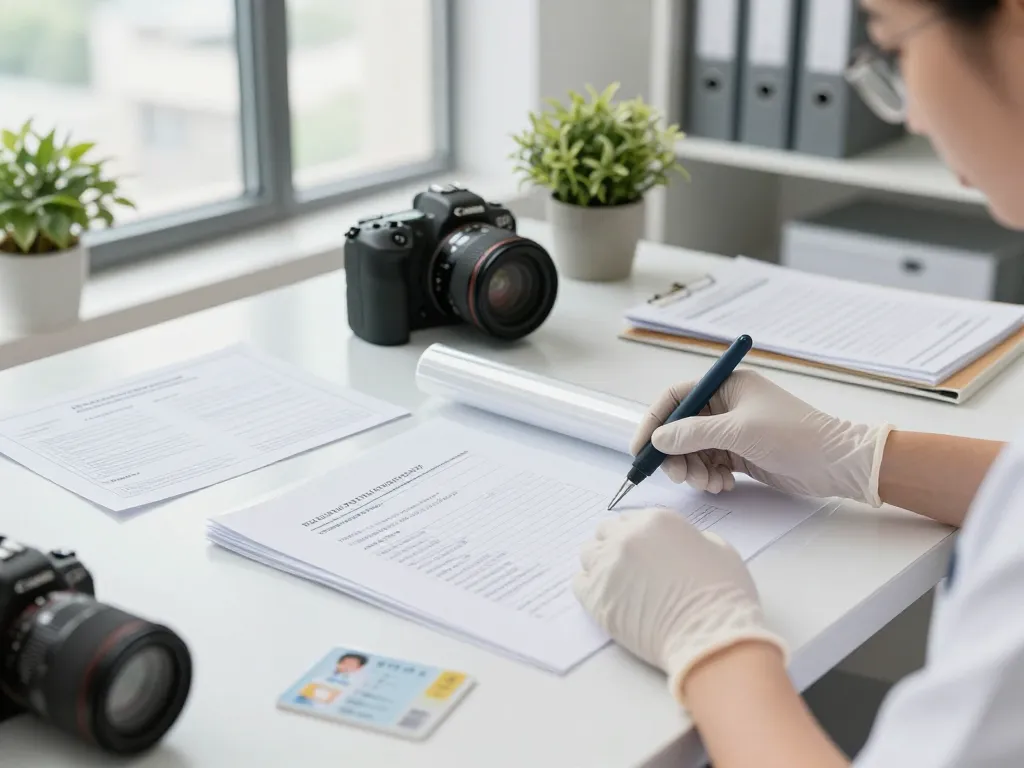
Understanding Plastic Lamination
Plastic lamination is a process used to protect and preserve documents, ensuring longevity and durability. This technique involves encasing the document between two layers of plastic film, which not only enhances the visual appeal but also shields against moisture, dirt, and general wear and tear. As we delve into the cách bóc ép plastic giấy tờ, it is important to recognize both the advantages and methods of safely removing plastic lamination without damaging the underlying paper.
What is Plastic Lamination?
Plastic lamination refers to the process of applying a thin layer of plastic film over a printed document. This method is commonly employed in various industries, ranging from educational institutions preserving important student records to businesses safeguarding critical financial documents. The lamination process creates a protective barrier that enhances the longevity of the documents while making them more visually appealing.
Benefits of Laminating Documents
- Protection from Damage: Laminated documents are less susceptible to physical damage, such as tearing or creasing.
- Moisture Resistance: The plastic film acts as a barrier against water and humidity, which is especially useful for documents exposed to high moisture areas.
- Improved Appearance: Laminating gives a glossy finish that enhances colors, making the document look new and professional.
- Ease of Cleaning: Laminated documents can be easily wiped down, helping maintain cleanliness.
Types of Plastic Lamination
There are several types of plastic lamination, including:
- Hot Lamination: Involves heat to seal the plastic around the document, providing a durable finish.
- Cold Lamination: Uses adhesive layers to laminate without heat, suitable for heat-sensitive materials.
- Self-Adhesive Lamination: A simpler option where the laminate has an adhesive backing, allowing easy application.
Common Issues with Removing Laminated Documents
Despite the benefits of lamination, removing the plastic layer can present challenges. It’s essential to understand these issues to avoid damaging the documents during the removal process.
Challenges in Document Restoration
One of the primary challenges in restoring laminated documents is ensuring the underlying paper remains intact. Improper techniques can lead to tearing, loss of text, or even damage due to adhesive residue left behind after removal. Understanding the material composition and the lamination process is crucial for effective restoration.
Why Conventional Heat Methods Fail
Conventional methods such as using hair dryers or irons may seem practical for removing lamination, but they come with significant risks. Heat can often lead to the melting of adhesives, which might bond permanently to the paper, causing irreversible damage. Moreover, excessive heat can warp the document itself, making restoration difficult.
Signs of Damage in Laminated Documents
When attempting to remove lamination, be vigilant for signs of potential damage, including:
- Wrinkling: This indicates that the paper may have absorbed too much heat or pressure.
- Discoloration: A sign that the adhesive has penetrated the paper, leading to stains.
- Tearing: Occurs due to improper pulling methods or excessive force during removal.
Innovative Techniques for Cách Bóc Ép Plastic Giấy Tờ
As the demand for document preservation grows, innovative techniques for removing plastic lamination have emerged. These methods focus on minimizing risk while ensuring the integrity of the documents.
Using Non-Force Technology for Safe Removal
Non-force technology involves advanced methods that do not require pulling or tugging on the document. Techniques such as ultrasonic cleaning or chemical solvents can safely dissolve the adhesive used in plastic lamination without damaging the paper.
Step-by-Step Process for Document Restoration
To effectively restore laminated documents, follow these steps:
- Assess the Document: Check for signs of damage and note the condition of the lamination.
- Choose the Right Method: Decide between heat, solvent, or non-force technology based on the document’s material.
- Prepare the Workspace: Ensure you have the necessary tools and a clean area to work on the document.
- Apply the Chosen Method: Carefully follow the steps associated with your selected restoration technique.
- Check for Adhesive Residue: After removal, inspect the document for any leftover adhesive and remove it safely.
Tools and Materials Needed for Effective Removal
To ensure successful document restoration, you will need:
- Heat gun or hair dryer (if using a heat method)
- Solvents like acetone or adhesive removers (for chemical methods)
- Soft cloths and brushes for cleaning
- Ultrasonic cleaner (for advanced non-force techniques)
Real-World Applications and Case Studies
Understanding the practical application of these techniques can help individuals and businesses make informed decisions regarding their documents.
Successful Restoration Stories
Countless clients have successfully restored their important documents using advanced removal techniques. For instance, a local school managed to recover historical records after years of lamination using non-force technology, safeguarding their heritage without damaging the documents.
Client Testimonials on Service Effectiveness
Feedback from clients often highlights the effectiveness of using non-invasive methods for document restoration. Many have noted that their documents came out looking as good as new, with no loss of text or integrity.
Comparing Different Methods of Document Laminating
When comparing methods, hot lamination is generally more durable than cold, but cold lamination may be safer for sensitive documents. Understanding these differences empowers clients to choose the best method for their needs.
Future Trends in Document Care and Preservation
The landscape of document preservation is constantly evolving, influenced by technological advancements and changing consumer needs.
Technological Advances in Document Restoration
The future of document restoration will likely see increased use of AI and machine learning to identify the best methods for restoration, tailored to each document’s specific characteristics.
Predictions for Document Preservation Techniques in 2026
By 2026, we can expect more innovative techniques that combine technology with traditional methods, enhancing the safety and efficiency of document preservation.
Growing Demand for Expert Document Care Services
As awareness grows about the risks of conventional methods, the demand for expert services in document care and restoration is anticipated to rise, prompting more businesses to invest in specialized techniques.
What are the Best Ways to Remove Plastic Lamination?
The best methods include non-force technology, chemical solvents, and professional cleaning services that prioritize the integrity of the documents.
How Can I Ensure My Documents are Not Damaged During Removal?
Choosing the appropriate removal method and consulting with professionals can significantly reduce the risk of damaging your documents.
What Tools Should I Use for Cách Bóc Ép Plastic Giấy Tờ?
Tools such as heat guns, solvents, and ultrasonic cleaners are highly effective for safely removing plastic lamination.
How Long Does It Take to Safely Remove Plastic Lamination?
The time required varies based on the method; some techniques may take only minutes, while others could require hours for complete restoration.
Are There Risks Involved in Removing Laminated Documents?
Yes, improper removal techniques can lead to significant damage, including tearing and ink transfer. It is crucial to use the correct methods to minimize these risks.