
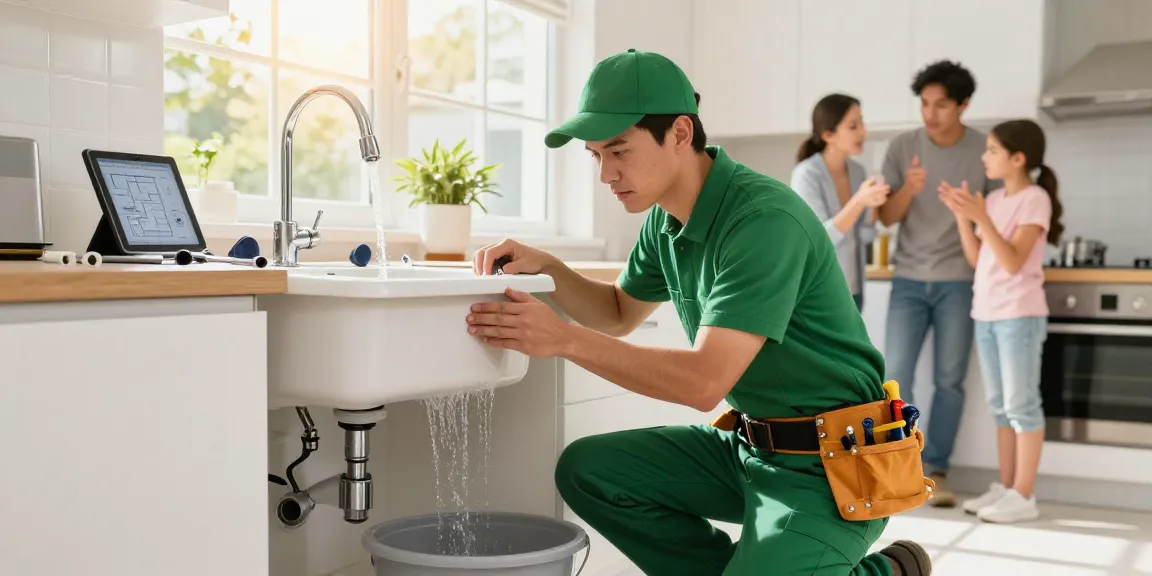
Understanding Plumbing Emergencies: What You Need to Know
In the realm of home maintenance, plumbing emergencies stand out as some of the most urgent issues a homeowner can face. From sudden leaks to complete system failures, understanding plumbing emergencies is crucial for every homeowner. Knowing when and how to act can save you from costly repairs and significant damage to your property. With the right information, you can tackle these emergencies with confidence and foresight. When exploring options, find out more about effective emergency plumbing services and how they can assist you in a crisis.
Identifying Common Plumbing Issues
Common plumbing issues vary widely, but a few persistent problems tend to arise frequently:
- Leaky Faucets: These can waste significant amounts of water over time and may indicate larger issues within the plumbing system.
- Clogged Drains: Blockages can occur in any drain due to a buildup of hair, soap, or even foreign objects. Understanding how to clear minor clogs can prevent larger problems.
- Running Toilets: This not only wastes water but can also lead to increased water bills.
- Water Heater Failures: If your water isn’t heating or is producing strange noises, it may be time to call a professional.
Assessing the Severity of a Plumbing Problem
Not all plumbing issues are created equal. To determine the severity of a problem, consider the following:
- Type of Issue: Is it a minor inconvenience like a dripping faucet or a more serious issue such as a burst pipe?
- Impact on Usage: Does the problem prevent you from using essential fixtures like toilets or sinks?
- Potential for Damage: Could the issue lead to water damage, mold growth, or structural problems?
When to Call an Emergency Plumber
Knowing when to call for professional help can make a big difference. If you experience a major leak, a sewage backup, or if a pipe has burst, these situations require immediate attention. Additionally, if you notice water pooling where it shouldn’t be, such as on floors or ceilings, it’s crucial to contact an emergency plumber as soon as possible.
Choosing the Right Emergency Plumbing Service
Choosing the right plumbing service requires careful consideration. The plumbing industry can be saturated with options, and not all services are created equal. Evaluating the best emergency plumber for your needs can save time and prevent further issues down the line.
Evaluating Credentials and Experience
When selecting an emergency plumber, look for credentials such as licensing, insurance, and certifications. Always opt for services with years of experience to ensure they have dealt with a variety of plumbing crises. Checking online reviews and testimonials can also provide insight into their reliability and expertise.
Questions to Ask Before Hiring
Before making a selection, ask potential plumbers key questions that can reassure you of their professionalism:
- What is your response time for emergencies?
- Are you licensed and insured?
- Can you provide references from past clients?
- What is your warranty policy on repairs and replacements?
Understanding Pricing and Estimates
Cost is a significant factor when dealing with emergency plumbing services. Request a detailed estimate that breaks down costs for labor, parts, and any additional fees. Understanding their pricing structure helps avoid any surprises when the bill arrives.
Immediate Steps to Take During a Plumbing Emergency
When a plumbing emergency strikes, having a plan of action can mitigate damage and make the situation more manageable. Here are essential steps to follow:
How to Shut Off Your Water Supply
Knowing how to quickly shut off your water supply is vital. Locate the main shut-off valve, usually situated near the water meter, and ensure you can access it easily in emergencies. If a specific fixture is the issue, shut off its individual valve, if applicable.
Preventing Water Damage While You Wait
Taking quick action can prevent water damage. Use towels or mops to soak up any standing water and place buckets under leaks. If possible, move furniture and valuables out of harm’s way to minimize losses.
Key Tools to Have on Hand for Quick Fixes
Having basic plumbing tools can be invaluable during a plumbing emergency. Essential tools include:
- Plunger: For clearing clogs in toilets or sinks.
- Wrench: Useful for tightening or loosening pipes.
- Pipe Tape: Great for temporarily sealing leaks.
- Bucket: To catch water from leaks or during repairs.
Preventive Measures to Avoid Future Issues
Taking proactive steps can help you avoid plumbing emergencies in the future. Regular maintenance is the key to a smoothly running plumbing system, ensuring that minor issues do not escalate into major problems.
Regular Maintenance Tips for Homeowners
Homeowners should adopt a maintenance routine that includes:
- Flushing the water heater annually to remove sediment buildup.
- Inspecting all visible pipes for leaks or corrosion.
- Cleaning drains regularly to prevent clogs.
- Scheduling annual professional inspections for a comprehensive check-up.
DIY Plumbing Repair Basics
Learning some DIY plumbing repair skills can save you time and money. However, it’s essential to recognize your limits. Simple repairs like changing a faucet washer or unclogging a drain can be manageable, but major plumbing jobs should be left to professionals.
Signs That Indicate a Need for Professional Inspections
Be proactive and call a plumber if you notice:
- Unusual sounds from pipes.
- Slow drainage across multiple fixtures.
- Water stains on walls or ceilings.
- Unexpected water bills that indicate leaks.
Future Trends in Emergency Plumbing Services for 2026
The plumbing industry is evolving, with technology and environmental concerns shaping the future. Here are some trends to watch:
Technology and Smart Home Integration
Smart home technology is increasingly influencing plumbing. Devices that monitor water usage and detect leaks are becoming common, allowing homeowners to respond proactively before issues escalate.
Eco-Friendly Plumbing Solutions
As more people become environmentally conscious, eco-friendly plumbing solutions are gaining traction. This includes water-saving fixtures and sustainable materials that reduce environmental impact.
The Role of Customer Feedback in Service Improvement
Customer feedback is vital for improving services. Plumbing companies are increasingly using reviews and ratings to adjust their practices and strengthen customer satisfaction.
What Should You Do If You Encounter a Plumbing Emergency?
Remain calm and assess the situation. Shut off the water supply if necessary, use towels to control leaks, and document the issue. Contact a qualified emergency plumber promptly to address the problem.
How Can I Find a Reliable Emergency Plumber Near Me?
Use online resources, ask for recommendations from neighbors or friends, and check local listings and reviews to find reputable emergency plumbers. Always verify their credentials and experience.
What Are the Typical Costs Associated with Emergency Plumbing?
Costs for emergency plumbing can range widely based on the severity of the issue, time of day, and the plumber’s rates. Generally, expect higher charges for after-hours services and more complex problems.
How Can I Prevent Plumbing Issues in My Home?
Regular maintenance, being cautious about what goes down your drains, and understanding the plumbing layout of your home can significantly help in preventing issues.
What Tools Do I Need for Basic Plumbing Repairs?
Essential tools for homeowners include a plunger, adjustable wrenches, a pipe cutter, and a plumbing snake for clogs. Having these tools handy can prepare you for minor emergencies.


