
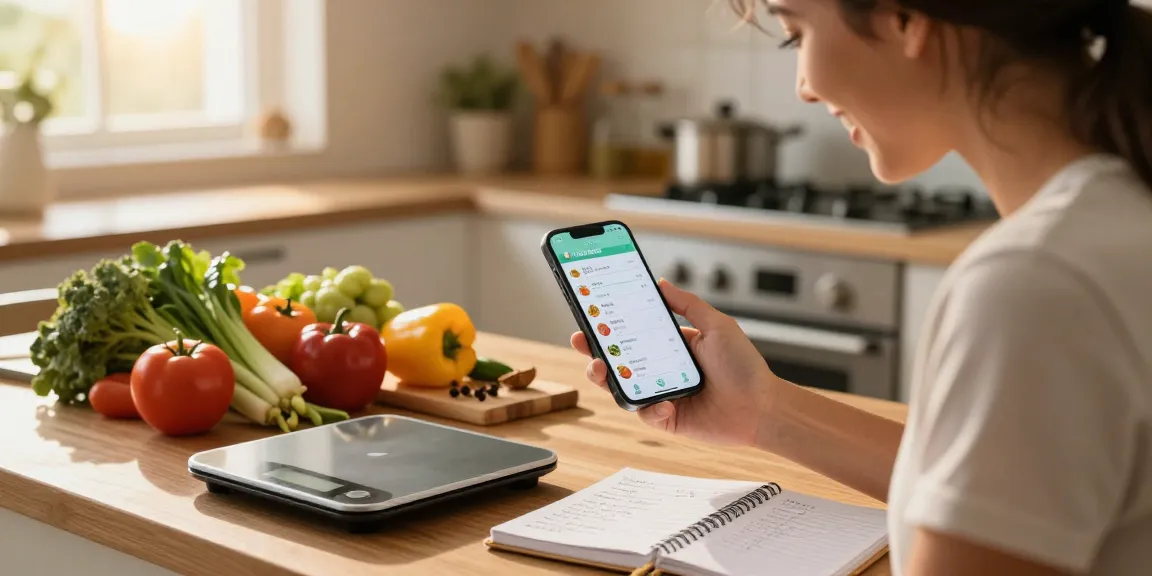
Understanding Food Tracking Apps
Food tracking apps have revolutionized the way both casual eaters and dedicated dieters manage their nutrition and caloric intake. With a wide variety of options available, the challenge lies in determining which app best aligns with individual goals, whether that’s weight loss, muscle gain, or simply healthier eating. This article dives deep into the top food tracking apps of 2026, providing you with comprehensive insights to choose the best food tracker for your unique needs.
What is a Food Tracker and How Does it Work?
A food tracker is a digital tool that allows users to log their meals and track nutritional information, making it easier to stay accountable to dietary goals. These apps typically include a vast database of foods, enabling users to quickly log meals, monitor caloric intake, and assess macronutrient ratios.
Most food tracking apps utilize barcode scanning or manual entry options, along with a search function for easy navigation. Users can build a food diary by entering meals, snacks, and beverages, which helps in gaining insights into dietary patterns and nutritional habits.
Key Features to Look for in the Best Food Tracker
- Comprehensive Food Database: Look for apps that provide extensive and verified food entries.
- User-Friendly Interface: A clean, intuitive design makes meal logging less tedious and more engaging.
- Nutritional Insights: The best apps offer feedback and suggestions based on logged meals, identifying areas for improvement.
- Goal Setting: Users should be able to set specific dietary goals, whether for weight loss, muscle gain, or maintenance.
- Integration with Other Tools: Many users benefit from apps that connect with fitness trackers or smart devices.
- Community Support: Features that foster a community environment can enhance motivation and accountability.
Benefits of Using a Food Tracking App
Utilizing a food tracking app provides several benefits that can greatly enhance an individual’s approach to nutrition. Firstly, it promotes mindfulness regarding food intake, leading to healthier choices. Knowing that meals are being logged can serve as a deterrent against impulsive eating habits.
Moreover, food tracking apps can help individuals identify dietary patterns that may be impacting their health, such as excessive sugar or sodium intake. With features that allow for comparison with recommended dietary allowances, users can see where they can adjust their meals for better balance and nutrition.
Top-Ranked Food Tracking Apps for 2026
The landscape of food tracking apps has evolved considerably, with numerous tools now available that cater to specific dietary needs and preferences. Here, we explore the best food tracker apps of 2026, highlighting their unique features and benefits.
The Best Food Tracker Apps: A Comparative Review
To provide a clear understanding of the strengths and weaknesses of the leading apps, we’ve evaluated them based on several criteria, including usability, accuracy, and database quality. This comparative review will guide users in selecting a tracker that aligns with their lifestyle.
Detailed Analysis of Welling, Cronometer, MacroFactor, and More
- Welling: This app excels in providing personalized nutritional coaching through an intuitive interface, ideal for those looking to make significant dietary changes.
- Cronometer: Known for its accuracy, Cronometer offers a depth of insights into micronutrient intake, making it perfect for users with specific dietary restrictions.
- MacroFactor: This app adapts to users’ energy expenditures, recalibrating its recommendations based on logged activity, making it a solid choice for athletes.
- YAZIO: With a visually engaging platform, YAZIO supports users with meal planning and recipes tailored to their dietary goals.
- Lifesum: Lifesum combines gamification with diet tracking, making it fun and motivating to log meals and reach health objectives.
- Carb Manager: Aimed at low-carb and keto dieters, this app provides specialized tracking for macronutrients, particularly net carbs.
User Recommendations Based on Diverse Dietary Needs
When choosing a food tracking app, it’s essential to consider personal dietary needs and preferences. For example, individuals following a vegetarian or vegan lifestyle may benefit from apps that offer extensive plant-based food databases. Others focusing on sports nutrition might prioritize apps with robust macro tracking capabilities.
Ultimately, user feedback and recommendations can guide new users to find an app that resonates with their daily habits and health aspirations.
Choosing the Right Food Tracker for Your Goals
To find the food tracking app that perfectly suits your needs, it’s critical to assess your dietary preferences and lifestyle. By understanding your personal goals and challenges, you can narrow down options effectively.
Identifying Your Dietary Preferences and Lifestyle
Before selecting a food tracker, identify any dietary preferences or restrictions you may have. Are you following a specific diet such as keto, paleo, or vegan? Your app of choice should accommodate these preferences and offer relevant resources, such as recipes and meal suggestions, that support your eating philosophy.
Assessing App Features Against Your Needs
Once you have a clear picture of your dietary needs, assess features offered by different apps. Look for unique functionalities that cater to your requirements—whether you want detailed macronutrient analysis, recipe suggestions, or progress tracking. This will ensure that you choose an app that not only tracks your food but also enhances your dietary experience.
Common User Pitfalls When Selecting a Food Tracker
While selecting a food tracker, users should be mindful of certain pitfalls. One common mistake is relying solely on app popularity rather than personal needs. Another is neglecting to explore free trials, which many apps offer, to evaluate their suitability before committing financially. Additionally, some users may overlook the importance of community support features that can enhance accountability and motivation.
Maximizing Your Food Tracking Experience
Once you’ve selected your food tracking app, making the most of it will enhance your experience and help you meet your goals. Here are effective ways to maximize your food tracking journey.
Effective Meal Planning with Your Chosen Food Tracker
Meal planning is crucial in maintaining dietary habits. Most food tracking apps allow users to plan meals ahead of time, offering grocery lists and recipes tailored to dietary goals. Utilize these features to set aside dedicated time for meal preparation, making it easier to stick to your nutrition plan during busy weeks.
How to Set Realistic Goals Using a Food Tracking App
To achieve your health objectives, set specific, measurable, achievable, relevant, and time-bound (SMART) goals. Your food tracking app can help you monitor these goals effectively, such as logging daily caloric intake or tracking the number of servings of fruits and vegetables consumed. Setting achievable short-term goals can keep motivation high while working towards long-term objectives.
Tips for Staying Consistent and Motivated
Consistency is key in food tracking. To stay motivated, consider joining online communities related to your app, where users share tips, recipes, and support. Additionally, regularly reviewing your progress can reinforce your commitment to your goals. Celebrate small achievements, as they lead to long-term success.
Future Trends in Food Tracking Technology
As technology continues to advance, food tracking apps are incorporating new features to support users’ dietary goals. Here’s a look at emerging trends shaping these tools in 2026.
Innovative Features to Expect in Food Trackers by 2026
Future food trackers are expected to leverage augmented reality (AR) for more precise meal logging, allowing users to scan meals to receive immediate nutritional data. Furthermore, personalized AI-driven recommendations based on health data and preferences will enhance user experience significantly.
The Role of AI and Machine Learning in Food Tracking
AI and machine learning are set to play an increasingly crucial role in enhancing food tracking accuracy. These technologies can analyze dietary patterns and suggest modifications that align with health goals, making tracking more intuitive and effective.
Emerging Dietary Trends Influencing Food Tracking Apps
As dietary trends evolve, such as the rise of plant-based eating and intermittent fasting, food tracking apps will need to adapt by offering comprehensive resources that support these lifestyles. Features like recipe recommendations and fasting timers will become more prevalent.
What is the Best Food Tracker for Beginners?
For beginners, choosing a user-friendly food tracking app that offers comprehensive guides and tutorials is essential. Look for apps that provide step-by-step instructions on logging meals and setting up dietary goals. Simplicity will help new users feel more comfortable navigating their tracking journeys.
Are Food Tracking Apps Worth the Investment?
Many users find value in investing in food tracking apps due to the structured approach they provide in managing diets. The potential return in terms of health benefits and motivation often outweighs the cost. Free versions are available for those hesitant to invest initially, allowing users to explore features before making a financial commitment.
How Accurate Are AI Food Tracker Apps?
AI food tracker apps have made significant strides in accuracy, but their efficacy can vary. Users should look for apps that utilize verified food databases and algorithms rigorously tested against real-world data. Awareness of potential inaccuracies is essential to use these tools effectively.
Can Tracking Food Help with Weight Loss?
Numerous studies suggest that food tracking can significantly aid in weight loss endeavors when combined with proper dietary adjustments. A systematic approach to logging meals encourages mindfulness and accountability, which are critical components of successful weight management.
How to Choose Between Free and Paid Food Tracking Apps?
Choosing between free and paid food tracking apps depends on individual needs. Free apps may suffice for casual users, while serious dieters might benefit from the advanced features that paid apps provide, such as personalized coaching, more detailed insights, and ad-free experiences.


